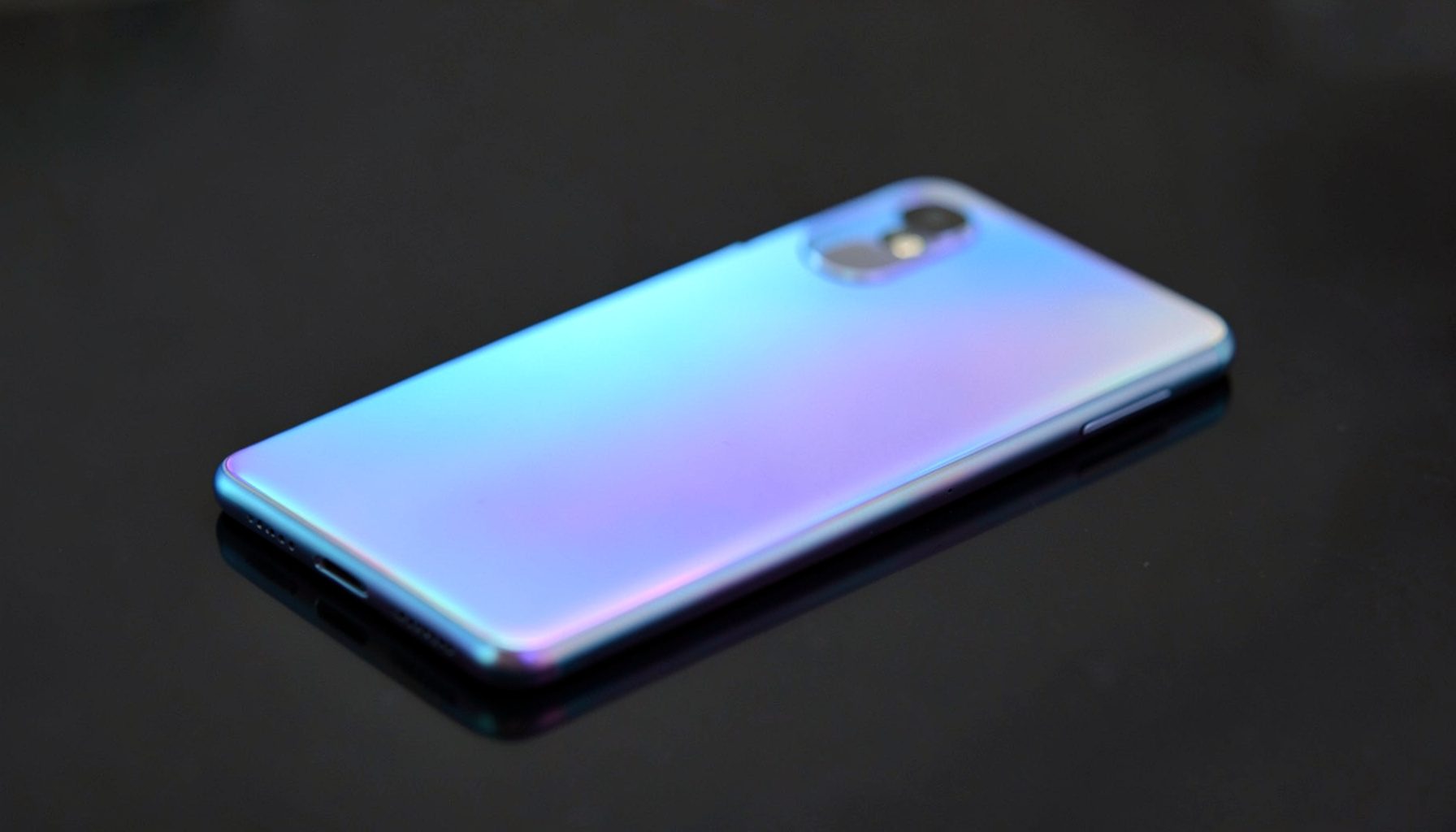
Huawei P20 Series Re-exposure: Gradient Fuselage Design
New renders show the P20 series sporting a striking gradient color finish, setting it apart in the flagship segment.

Breaking & Leaks
The latest smartphone launches, industry rumors, spec leaks, and updates from Chinese technology companies — Huawei, Xiaomi, Meizu, OnePlus, OPPO and more.
Fresh reporting on mobile devices, firmware leaks, and hardware announcements from China's fast-moving tech landscape.
New renders show the P20 series sporting a striking gradient color finish, setting it apart in the flagship segment.
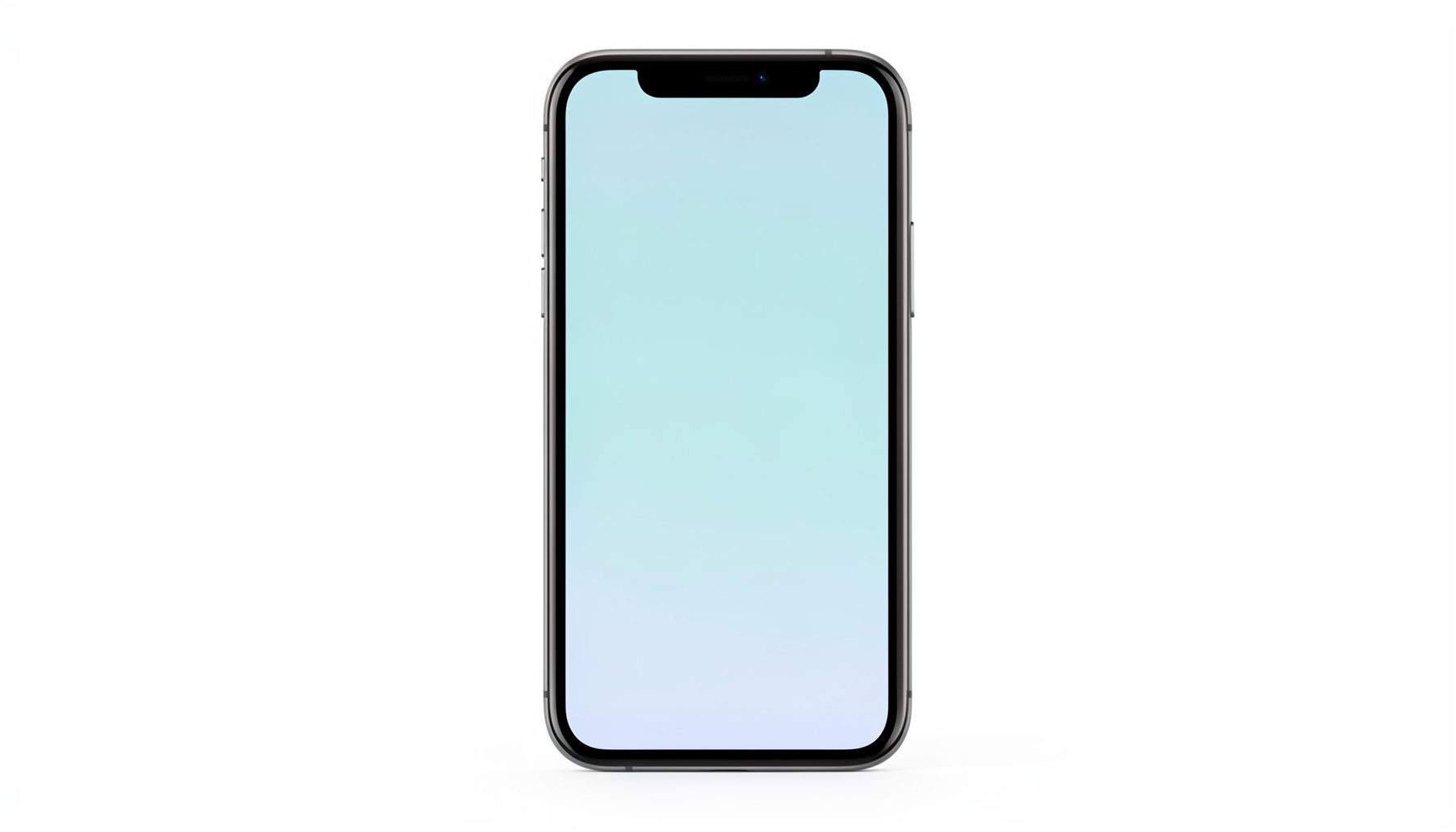
An official press image reveals the budget-friendly Y7 with an 18:9 display and a large battery for extended use.
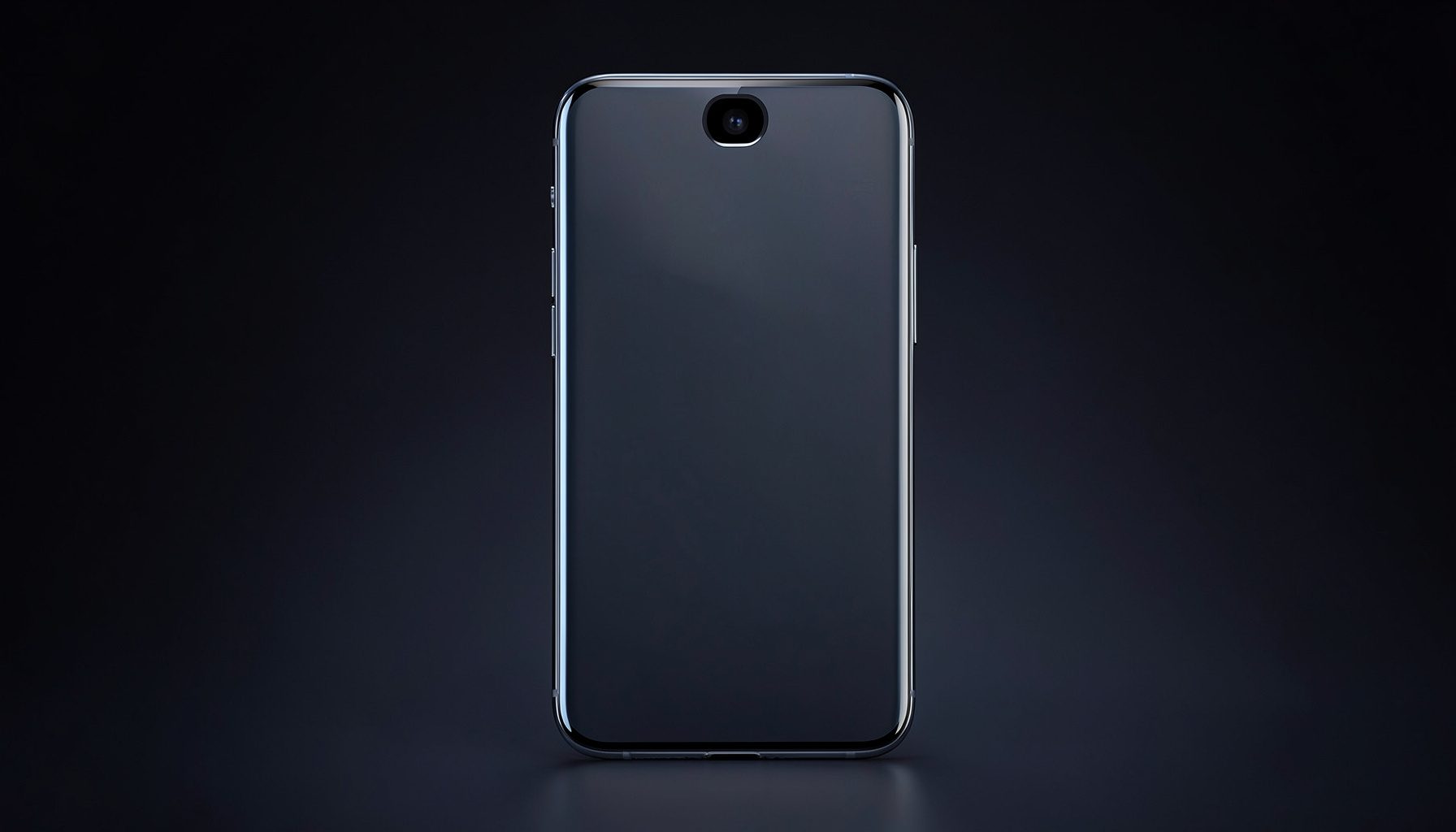
Vivo's X21 embraces the notched-display trend, pairing an in-display fingerprint sensor with a high screen-to-body ratio.
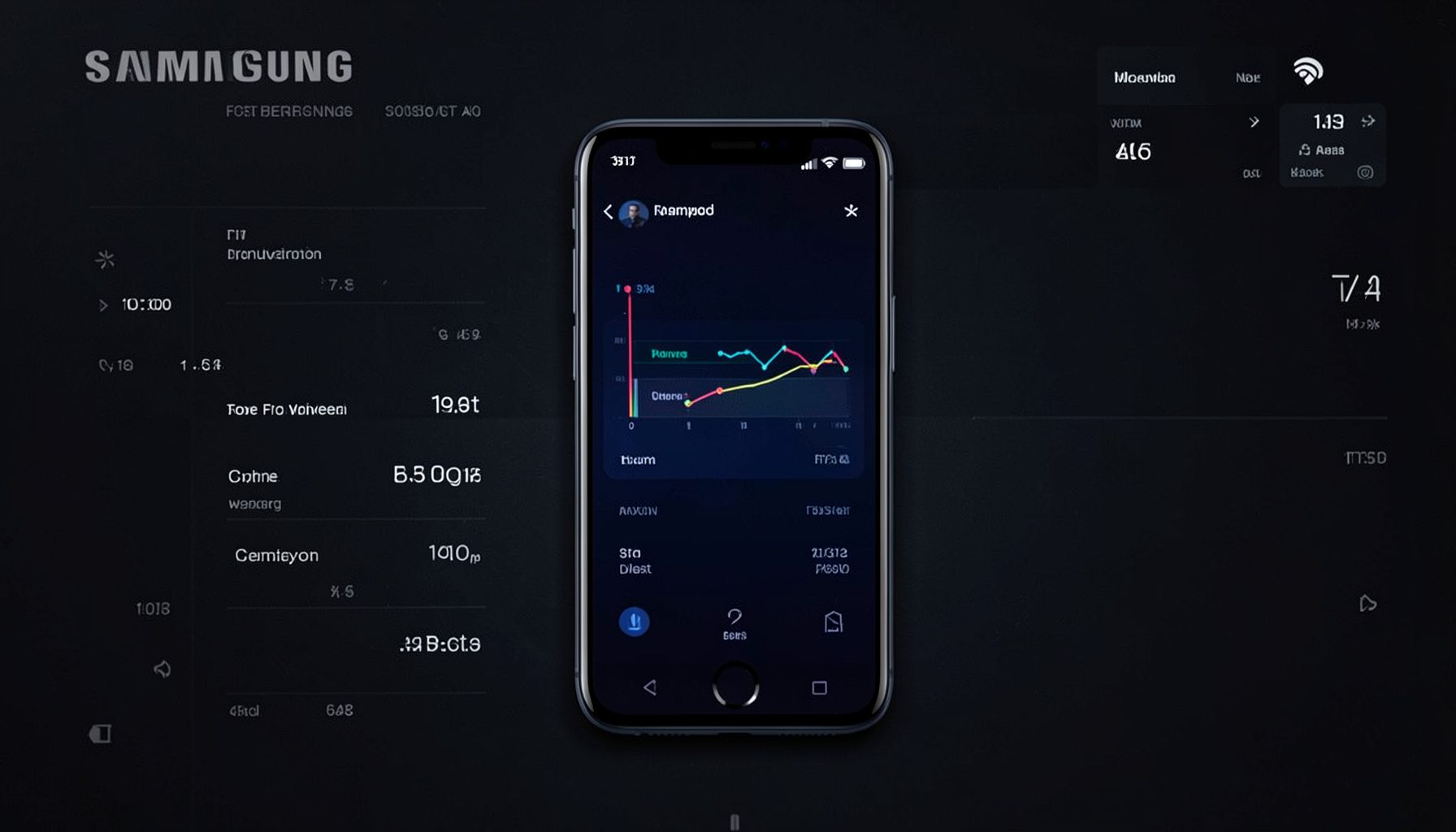
A mid-range Samsung device surfaced on the benchmarking platform, hinting at Snapdragon internals and Android Oreo.
The View10 leverages on-device AI for intelligent contact management and contextual suggestions.
Rumored metal-frame design and high-end internals position the Galaxy Alpha as a premium compact alternative.
Chinese smartphone makers continue to push the boundaries of mobile photography, with brands like Huawei, Xiaomi, and OPPO investing heavily in camera innovations. Recent leaks suggest upcoming flagship models will feature advanced multi-lens setups, improved low-light sensors, and software-driven enhancements that rival dedicated cameras. The competition has intensified as manufacturers race to top benchmarking charts and deliver professional-grade image quality to consumers. These developments reflect a broader industry trend where computational photography and hardware refinements work together, giving users unprecedented creative control from a device that fits in their pocket. The pace of change shows no signs of slowing.
The foldable phone segment is evolving rapidly, with several Chinese tech companies preparing new entries into this premium category. Early adopters praised the novelty of large-screen devices that collapse into pocket-friendly forms, but durability and pricing remain significant hurdles. Recent leaks point to thinner hinges, improved screen materials, and more refined software experiences designed to bridge the gap between phone and tablet functionality. As manufacturing processes mature and component costs decrease, these devices are expected to become more accessible. Industry observers are watching closely to see which brand will define the next generation of foldable technology.
Huawei continues to navigate a complex global landscape, focusing on domestic innovation and alternative supply chains for its smartphone and technology divisions. Despite external pressures, the company has maintained a steady cadence of product releases, with particular strength in camera technology, battery endurance, and ecosystem integration. Rumors of upcoming flagship models suggest continued emphasis on proprietary software enhancements and hardware refinements. Meanwhile, the company's expanding presence in wearables, cloud services, and smart home products demonstrates a strategy that extends well beyond mobile phones, aiming to create a seamless connected experience for users across multiple devices.
Xiaomi and its sub-brand Redmi have been at the forefront of delivering high-performance hardware at competitive price points, a strategy that continues to disrupt markets both in China and abroad. Recent leaks and official announcements point to upcoming devices featuring faster processors, improved display technologies, and larger batteries designed to last through heavy usage. The company's ecosystem approach, linking phones with smart home products, wearables, and lifestyle gadgets, has cultivated strong brand loyalty among tech enthusiasts. As the brand pushes further into premium territory, it faces the challenge of maintaining its value proposition while competing directly with established flagship offerings from global rivals.
The Chinese semiconductor and display manufacturing sectors are making steady progress, reducing reliance on foreign suppliers and enabling domestic phone brands to innovate with greater independence. Advances in chip design, OLED panel production, and battery technology are filtering down to consumer devices at an accelerating pace. This vertical integration allows manufacturers to bring unique features to market faster while maintaining tighter control over quality and costs. Industry watchers expect these developments to reshape the competitive dynamics of the global smartphone market, as Chinese brands leverage homegrown technology to differentiate their products and challenge the dominance of established international players.
Notable stories from earlier coverage that shaped the Chinese mobile conversation.
Goophone released its anticipated iPhone 6 lookalike well ahead of Apple's official announcement.
Google introduced Android One to bring affordable, stock-Android devices to emerging markets, starting with India.

A flagship contender from Cool emerged with a high-resolution screen and a powerful camera setup.
Early speculation pointed to a 6–7 mm chassis and a powerful new Apple processor for the upcoming iPhone.