
China Mobile Digital
Digital technology news and reviews from China's phone makers
86DIGI tracks Chinese smartphone news, leaks and reviews covering Huawei, Meizu, Xiaomi, OnePlus and OPPO, alongside wider coverage of digital gadgets and industry trends.
Huawei, Meizu, Xiaomi, OnePlus and OPPO tracked regularly.
Specs, leaks, rumors and device evaluations.
For China smartphone configuration and pricing questions.
For feedback, corrections and advertising inquiries.
Overview
A blog built around Chinese digital products
86DIGI is a digital technology information blog that reports news from China, with a focus on evaluating Chinese digital products. Coverage spans smartphone specifications, leaks, rumors and reviews, keeping an eye on how brands like Huawei, Meizu, Xiaomi, OnePlus and OPPO are positioning new devices.
The site has followed device stories ranging from flagship launches to budget and clone handsets, giving readers a running view of the Chinese mobile market over time.
Huawei
Flagship exposure and rendering leaks, including P20-series coverage.
Meizu
Updates on device announcements and model details.
Xiaomi (MI)
Specification notes and market positioning coverage.
OnePlus & OPPO
Launch news and feature rundowns for both brands.
News
Breaking leaks and spec rumors
The News section collects smartphone launches, announcements, industry rumors and spec leaks as they surface, with particular attention to Chinese tech companies and their upcoming hardware.
Launches
Announcements tied to new smartphone releases.
Rumors
Early reports ahead of official confirmation.
Spec Leaks
Benchmark listings and rendering exposures.
Company Updates
Notes on Chinese tech company activity.
"Have you ever seen the gradient fuselage?" — a line from coverage of the Huawei P20 series re-exposure, published May 21, 2018.
The Chinese smartphone landscape moves at a pace that can be hard to follow from outside the country. Brands like Huawei, Xiaomi, OnePlus, OPPO, and Meizu are constantly iterating, releasing devices that push hardware boundaries while refining software experiences tailored to local users. Keeping a finger on the pulse of these developments means tracking everything from regulatory filings and industry leaks to full-scale launch events. The sheer volume of information flowing out of China’s tech hubs demands a dedicated lens, one that filters noise from signal and presents the stories that actually matter to enthusiasts and professionals alike.
Understanding a Chinese smartphone requires more than reading a spec sheet. Real-world evaluations dig into display quality under varying conditions, battery endurance across typical usage patterns, and how gradient fuselage finishes hold up over time. Camera performance has become a central battleground, with dual and triple rear camera setups appearing across price tiers, and brands competing for top DxOMark scores. Reviews that matter test these devices in context, examining how features like under-display fingerprint sensors and eye-comfort reading modes perform when you actually live with the phone day to day.
Leaks and rumors form the undercurrent of smartphone journalism, and China’s device ecosystem generates a constant stream of them. Geekbench listings reveal upcoming processors before official announcements. Ministry of Industry certifications expose hardware configurations months ahead of release. Renderings appearing on social platforms give early glimpses of design language shifts, whether it is a new approach to the display notch or a bold gradient colorway. These breadcrumbs, when pieced together carefully, paint a remarkably accurate picture of what is coming next.
The rivalry between Chinese phone makers has driven an era of extraordinary hardware experimentation. Pop-up cameras, slider mechanisms, dual-screen designs, and folding displays have all emerged from this competitive pressure cooker. Each manufacturer seeks a signature aesthetic and functional edge, whether through Meizu’s meticulous craftsmanship, OnePlus’s speed-focused optimizations, or Huawei’s photography partnerships. This relentless one-upmanship benefits consumers globally, as innovations proven in the Chinese market eventually cascade into international product lines.
Beyond individual device reviews, broader industry trends shape what eventually lands in pockets around the world. The shift toward all-screen designs with minimal bezels, the integration of artificial intelligence into photography pipelines, and the race toward faster charging standards all originate in decisions made across Shenzhen boardrooms. Tracking these movements means watching how Qualcomm platform adoption shifts, how network hardware evolves for next-generation connectivity, and how brands position themselves at events like CES and Mobile World Congress.
The intersection of software and hardware defines the modern smartphone experience, and Chinese manufacturers have developed distinctive approaches to Android customization. From Huawei’s feature-rich EMUI to Xiaomi’s MIUI and OnePlus’s OxygenOS, each skin reflects a different philosophy about how users should interact with their devices. Account ecosystems, password recovery flows, and app store integrations differ significantly from Western counterparts, creating a parallel digital universe that rewards those who take the time to understand its logic.
Photography has become the defining feature race among Chinese smartphone brands, with computational imaging techniques closing the gap with traditional camera hardware. Multi-lens arrays paired with sophisticated software now handle everything from low-light夜景 scenes to portrait-mode bokeh with impressive fidelity. The emphasis on rear camera count, sensor size, and AI-driven scene recognition dominates launch presentations, and DxOMark rankings have become a fiercely contested benchmark that can make or break a flagship’s reputation in the global market.
The mid-range and budget segments represent an equally compelling story often overshadowed by flagship launches. Devices in these tiers now inherit features that were premium exclusives just a generation ago, from edge-to-edge screens to capable dual-camera systems. Brands like Honor and vivo have carved out strong positions by delivering polished experiences at accessible price points. For consumers seeking value, understanding which compromises are acceptable and which features have trickled down becomes essential reading.
Following Chinese digital technology means embracing a broader view of the gadget landscape beyond smartphones. Wearables, smart home devices, electric vehicle interfaces, and the underlying artificial intelligence platforms that connect them all form part of an integrated ecosystem vision. The news cycle spans hardware announcements, software updates, and the occasional security disclosure that demands attention. For anyone passionate about where digital technology is heading, the Chinese market remains one of the most revealing places to watch.
Reviews
Evaluations of devices and features
The Reviews section looks closely at device features and performance, comparing models and offering user-focused insight on handsets available in the Chinese market.
From the Archive Desk
Years of device-watching
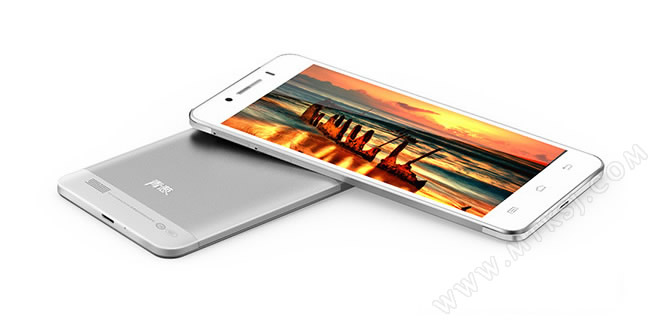
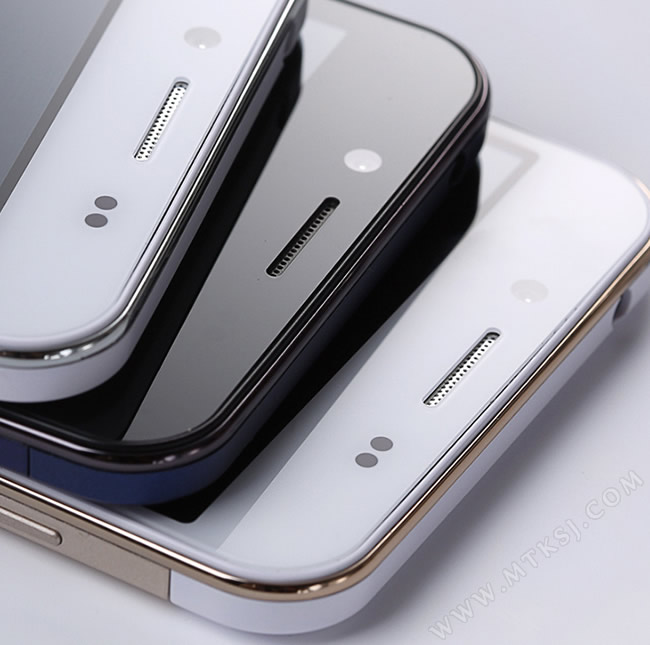
Past coverage has included the Google Android One program and the Cool Grand View 4 in June 2014, Goophone clones and iPhone 6 rumors in July 2014, and the Huawei P20 series alongside the Samsung J8+ in May 2018.
June 2014
Android One program coverage and the Cool Grand View 4.
July 2014
Goophone clone devices and early iPhone 6 rumors.
May 2018
Huawei P20 series and Samsung J8+ reporting.
About
Independent reporting, open to contributions
86DIGI describes itself as a blog run by bloggers, not a retailer — the team does not sell phones directly but shares recommendations and evaluations. Reader contributions are welcome, and the site covers Chinese smartphones and configuration details without claiming official ties to any manufacturer.
Read more on the About page.
Contact
Get in touch
For general feedback, corrected specifications or broken links, write to info@86digi.com. For China-specific smartphone consulting — configuration, pricing and evaluation questions — use hj@86digi.com. Advertising inquiries from online mobile stores are also welcome.
Full details on the Contact page.
General Inquiries
info@86digi.com
Smartphone Consulting
hj@86digi.com
Advertising
Open to online mobile store advertisers.
Contributions
Reader-submitted content is welcome.
Tracking the gradients, bangs and benchmarks of China's smartphone scene — one leak at a time.